

In the sphere of manufacturing, the skill to shape metallic materials with precision is a cornerstone of creativity and effectiveness. Metalworking machines stands at the forefront of this technological evolution, permitting industries to manufacture a wide range of elements that meet the strict demands of contemporary applications. From car parts to space components, the intricacies of metalworking processes permit manufacturers to achieve elaborate designs and superb material performance.
As industries continue to evolve, the demand for advanced metal forming machinery increases. These equipment employ a wide variety of techniques, including pressing, flexing, and shaping, to transform raw metal into finished items. Understanding the features and uses of metal forming machinery not only lays the groundwork for enhanced production processes but also paves the way to trailblazing advancements in technology and functionality. Whether you are a seasoned specialist or a beginner to the field, exploring the craft of metal forming machinery reveals the profound impact it has on creating top-notch, robust metal products.
Types of Metal Forming Processes
Metal shaping techniques can be classified into multiple key methods, each serving specific applications and material characteristics. One frequent type is forging, where metal is shaped by applying compressive forces. This process generates components with enhanced mechanical properties, making it suitable for producing high-strength parts used in aviation and automotive industries. Techniques such as open die and closed die forging allow for varying levels of complexity and dimensional precision.
Another widely used method is sheet rolling, which involves feeding metal through a pair of rolls to reduce thickness and shape it into flat products or sheets. Rolling can be performed at high temperatures or at room temperature, depending on the material properties needed. Hot rolling is typically used for larger sections and alloys, while cold rolling produces closer tolerances and improved surface finishes. This process is essential in producing materials for building, manufacturing, and various engineering applications.
Additionally, wire drawing is a key metal forming process that involves pulling metal through a die to create wire, tubes, or additional elongated shapes. This technique allows for the production of slim components with superb dimensional accuracy and excellent surface quality. Drawing can be utilized to multiple materials, including steel, aluminum, and copper, and is instrumental in producing everyday items such as electrical wiring and structural components. Each of these processes highlights the flexibility and precision obtainable in metal forming machinery.
Key Advancements in Metallurgical Forming Machinery
Metallurgical forming equipment employs multiple sophisticated techniques to improve accuracy and effectiveness in production operations. A notable the significant developments is the implementation of digital CNC technology. CNC systems allows for high precision in the forming and machining of metals through robotic methods. By using pre-programmed software, producers can create intricate components with precision levels that conventional approaches find difficult to match. This automated process not only improves accuracy but also increases manufacturing speed, making it a essential aspect in modern metal shaping.
Another key innovation utilized in metallurgical shaping machinery is hydraulic systems. Hydraulic presses are commonly employed for forging, bending operations, offering exceptional power strength while maintaining control. The ability to exert high forces enables for the manipulation of hard materials into desired shapes, and the flexibility of these hydraulic technologies enables users to adjust parameters quickly for different uses. This flexibility is essential in industries where metal components must meet varied standards and requirements.
Additionally, the integration of advanced materials and coatings has transformed the efficiency and durability of metallurgical shaping machinery. Metal Forming Machinery as high-performance materials and composite contribute to more lightweight, durable equipment that can resist harsh production environments. Protective coatings that reduce friction and resist wear extend the lifespan of machines and improve their operational reliability. These developments are crucial as manufacturers aim to enhance efficiency while reducing maintenance costs and downtime.
Applications and Industry Impact
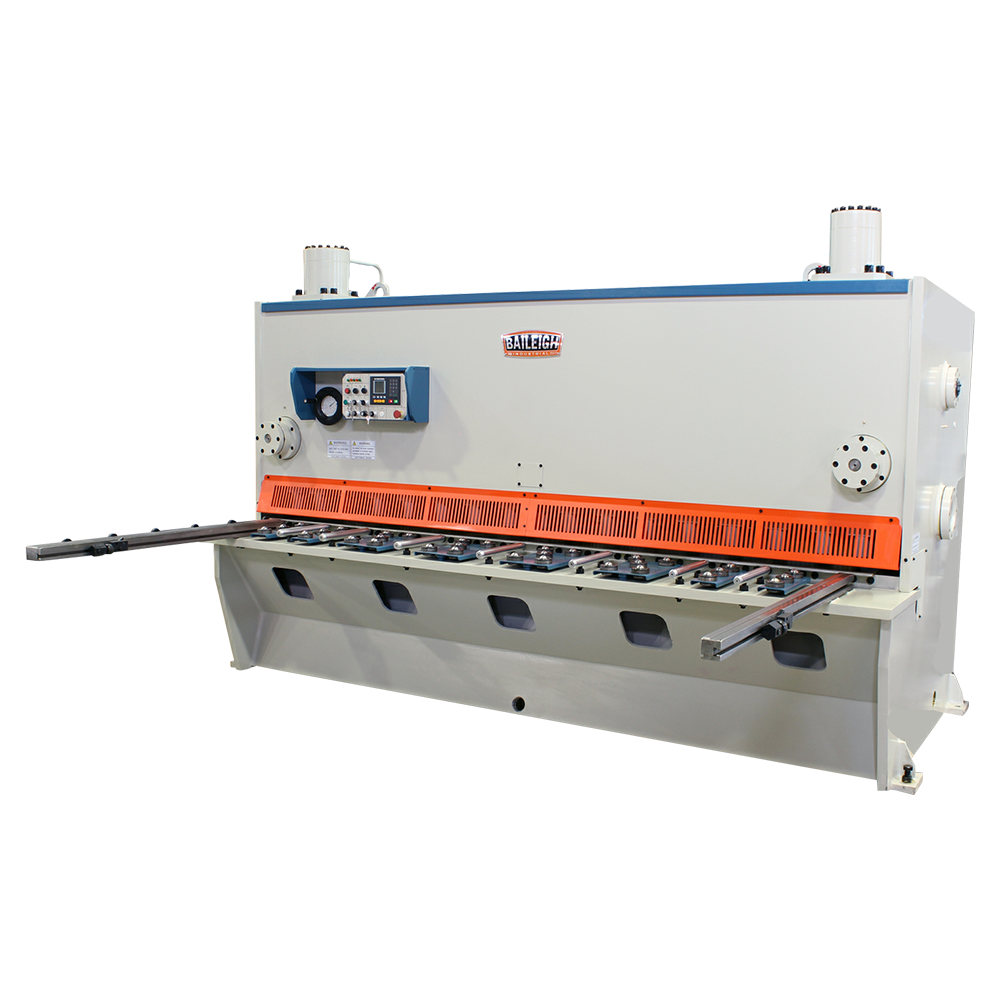
Metal forming machinery plays a critical role in a variety of industries, ranging from automotive to aerospace. In the automotive sector, these devices are essential for producing components such as chassis parts, body panels, and diverse structural elements. The accuracy and efficiency provided by metal forming techniques ensure that these components meet rigorous safety and performance standards, which are essential in an industry where reliability is key.
The aerospace industry also gains significantly from metal forming machinery. Lightweight and durable, essential components are vital for aircraft performance and fuel efficiency. Processes such as metal forging and stamping are often employed to create components for engines, aircraft frames, and wing components. The ability to shape intricate designs while maintaining strength and weight ratios is innovative, enabling manufacturers to expand the limits of design and fuel efficiency in contemporary aircraft.
Additionally, the influence of metal forming machinery extends into the realm of the consumer goods sector and electronic products. Items such as enclosures for devices, cooking devices, and ornamental metalwork all rely on the accuracy offered by these machines. The advancement in forming technologies not only boosts product quality but also reduces waste and production costs, in the end benefiting both makers and customers through improved product availability and cost-effectiveness.